- No products in the cart.




WALL MOUNTED TV UNITS AND THE ART OF FLOATING LIVING: A PRACTICAL UK GUIDE TO DESIGN, SPACE, AND LONG-TERM VALUE

17
Feb
Introduction: why wall mounted tv units have become a modern essential
In homes across the UK, the living room has evolved from a purely functional space into a multi-purpose environment for relaxing, entertaining, working, and unwinding. As our expectations of interiors have grown, so has the demand for smarter, cleaner, and more space-efficient furniture solutions. One of the most significant shifts in modern home design is the rise of wall mounted tv units.
Wall mounted tv units are no longer just a design trend. They represent a practical response to how people live today. With smaller average room sizes, open-plan layouts, and a desire for clutter-free interiors, homeowners are increasingly choosing furniture that works with the architecture of the room rather than against it.
This guide is written specifically for UK homes and UK buyers. It explores what wall mounted tv units are, why they are so popular, how to choose the right one, how they affect space and layout, what to consider during installation, and how to ensure long-term value. Whether you live in a compact flat, a new-build house, or a period property, this article will give you a complete, practical understanding of wall mounted tv units.
What are wall mounted tv units?
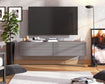
Wall mounted tv units are furniture systems designed to be fixed directly to a wall rather than placed on the floor. Unlike traditional TV stands, they appear to float above the ground, creating a cleaner visual line and freeing up floor space below.
Most wall mounted tv units include a combination of storage elements such as cupboards, drawers, shelves, or integrated cable management systems. Some are minimal and compact, designed purely to support a television and conceal cables. Others are larger, statement pieces that form the central feature of a living room wall.
In the UK market, wall mounted tv units are commonly used with wall-mounted televisions, although some designs also support TVs placed on top of the unit itself. The defining feature is always the same: the unit is fixed securely to the wall, creating a floating effect.
Why wall mounted tv units are ideal for UK homes
UK homes face a unique set of challenges. Room sizes are often smaller than in other countries, ceiling heights vary widely, and many properties have architectural constraints such as chimneys, alcoves, or solid brick walls.
Wall mounted tv units work exceptionally well in this environment for several reasons.
They maximise floor space
Floor space is at a premium in many UK living rooms. By lifting storage off the ground, wall mounted tv units make rooms feel larger and easier to move around. This is particularly valuable in flats, terraces, and smaller semi-detached homes.
They create a cleaner visual flow
Traditional furniture can visually chop up a room. Wall mounted tv units allow the eye to travel across the floor uninterrupted, which creates a sense of openness even in compact spaces.
They suit both modern and traditional interiors
Although often associated with contemporary design, wall mounted tv units can work just as well in period properties. When chosen carefully, they complement fireplaces, alcoves, and original features rather than competing with them.
They improve safety and stability
When properly installed, wall mounted tv units are extremely stable. This can be an advantage in households with children or pets, as there is no risk of furniture tipping forward.
Different types of wall mounted tv units
Not all wall mounted tv units are the same. Understanding the different styles available will help you choose one that fits your space, lifestyle, and long-term needs.
Floating base units
These are the most common type of wall mounted tv units. They consist of a horizontal cabinet fixed to the wall beneath the television. They may include drawers, cupboards, or open shelving. Floating base units are versatile and suit most room sizes.
Wall-to-wall media units
Wall-to-wall wall mounted tv units span the entire width of a wall. They often include side cabinets, shelving, and integrated TV panels. These are ideal for larger living rooms or open-plan spaces where the TV wall is a focal point.
Corner wall mounted tv units
Designed specifically for corners, these units are perfect for rooms where wall space is limited or where the layout naturally directs the TV into a corner position. They are particularly popular in UK homes with chimney breasts or awkward layouts.
Modular wall mounted tv units
Modular systems allow you to combine different elements such as cupboards, shelves, and panels. This flexibility makes them ideal for homeowners who want a tailored solution or plan to adapt their space in the future.
Minimalist floating shelves and panels
For those who prefer a very clean look, minimalist wall mounted tv units may consist of a simple shelf or panel with hidden cable management. These suit modern interiors and smaller rooms where visual simplicity is key.
Choosing the right wall mounted tv unit for your room
Selecting the right wall mounted tv unit is about more than just style. Practical considerations are just as important, especially in UK homes where walls, wiring, and room layouts vary.
Measure carefully
Always measure the width of the wall, the height from floor to ceiling, and the position of sockets and aerial points. Wall mounted tv units should feel balanced within the space, not cramped or oversized.
Consider viewing height
The ideal height for a television depends on seating position and screen size. The wall mounted tv unit should support this, ensuring the TV sits at a comfortable eye level when seated.
Think about storage needs
Be realistic about what you need to store. Games consoles, streaming boxes, sound systems, DVDs, and general living room clutter all require space. Wall mounted tv units with concealed storage help maintain a tidy appearance.
Check wall type
Most UK homes have solid brick or block walls, but newer properties may have stud walls. The type of wall will determine the fixing method and weight capacity of the unit.
Plan for future changes
Consider whether your needs might change. Modular wall mounted tv units offer flexibility if you plan to upgrade your TV, add new devices, or rearrange the room later.
Wall mounted tv units and cable management
One of the biggest advantages of wall mounted tv units is their ability to hide cables and keep the living room looking clean and organised.
Integrated cable channels
Many wall mounted tv units include built-in cable channels that allow wires to run discreetly behind the unit and into cupboards or panels.
Rear access panels
Rear cut-outs and access panels make it easy to route cables without drilling additional holes in the wall.
Ventilation considerations
Electronic devices generate heat. Well-designed wall mounted tv units allow for airflow, preventing overheating while keeping cables out of sight.
Future-proofing
Leave extra space or channels for additional cables. Technology changes quickly, and planning ahead will save time and effort later.
Installation considerations for wall mounted tv units
Proper installation is critical for both safety and longevity.
Professional installation vs DIY
While some homeowners choose to install wall mounted tv units themselves, professional installation is often recommended, especially for heavier units or stud walls. Correct fixings and precise alignment are essential.
Weight limits
Always check the maximum weight capacity of both the unit and the wall fixings. This includes the weight of the TV and any items stored inside the unit.
Levelling and alignment
A wall mounted tv unit must be perfectly level. Even slight misalignment is noticeable and can detract from the overall look.
Electrical planning
Ideally, sockets and data points should be positioned behind the unit or TV. If this is not possible, trunking or concealed channels can be used to maintain a clean appearance.
Wall mounted tv units in different room types
Living rooms
In living rooms, wall mounted tv units often act as the main visual anchor. They should complement seating arrangements, lighting, and other furniture.
Bedrooms
Wall mounted tv units in bedrooms tend to be more compact. They often focus on minimal storage and a calm, uncluttered look.
Open-plan spaces
In open-plan living areas, wall mounted tv units can help define zones. A well-designed unit creates a clear entertainment area without blocking sightlines.
Small flats and apartments
For smaller homes, wall mounted tv units are particularly valuable. They reduce visual clutter and make limited space feel more open.
Materials and finishes commonly used
The material and finish of wall mounted tv units play a major role in how they look and how long they last.
Wood and wood-effect finishes
Popular in UK homes, these finishes add warmth and work well in both modern and traditional settings.
Gloss finishes
Gloss finishes reflect light and can make smaller rooms feel brighter. They are often used in contemporary interiors.
Matte finishes
Matte finishes offer a more understated, modern look and are less prone to showing fingerprints.
Neutral colours
White, grey, beige, and natural wood tones dominate the UK market, as they are easy to match with existing décor.
Wall mounted tv units and interior design flow
A well-chosen wall mounted tv unit should feel like a natural extension of the room.
Proportion and balance
The unit should be proportional to the wall and the TV. Oversized units can overwhelm a space, while units that are too small can look unfinished.
Symmetry vs asymmetry
Symmetrical designs create a calm, formal feel, while asymmetrical layouts add visual interest and a contemporary edge.
Lighting integration
Some wall mounted tv units incorporate LED lighting. When used subtly, this can enhance atmosphere without becoming distracting.
Long-term value and durability
Wall mounted tv units are an investment in both function and appearance.
Build quality
Strong fixings, solid construction, and durable finishes ensure the unit remains secure and attractive over time.
Timeless design
Choosing a design that is not overly trend-driven helps ensure the unit still looks good years later.
Adaptability
Units that can accommodate different screen sizes and devices offer better long-term value.
Common mistakes to avoid
Choosing style over function
A unit may look great in photos but fail to meet storage or cable management needs.
Incorrect sizing
Failing to measure properly can result in a unit that does not fit the wall or feels out of proportion.
Ignoring wall type
Using the wrong fixings can compromise safety and stability.
Overloading the unit
Exceeding weight limits can damage both the unit and the wall.
The future of wall mounted tv units in UK homes
As technology and living spaces continue to evolve, wall mounted tv units are likely to become even more integrated into home design. Expect to see more modular systems, improved cable management, and designs that blend seamlessly with architectural features.
Sustainability is also becoming increasingly important. Homeowners are looking for furniture that lasts longer, adapts to changing needs, and reduces the need for frequent replacement.
Conclusion: why wall mounted tv units are a smart choice
Wall mounted tv units offer a powerful combination of practicality, space efficiency, and modern style. For UK homes, where space and layout often present challenges, they provide a flexible solution that enhances both form and function.
By choosing the right design, planning installation carefully, and thinking long-term, homeowners can transform their living spaces with a wall mounted tv unit that feels both purposeful and refined. Whether your goal is to create a minimalist retreat or a fully integrated media wall, wall mounted tv units remain one of the most effective ways to elevate a room without sacrificing practicality.
When selected thoughtfully, wall mounted tv units do not just support a television. They support a better way of living in the modern UK home.