- No products in the cart.




FLOATING TV UNITS AND THE ART OF MODERN BRITISH LIVING: A PRACTICAL GUIDE TO DESIGN, INSTALLATION, AND EVERYDAY USE

17
Feb
Introduction: why floating tv units have become a staple in UK homes
Over the last decade, floating tv units have quietly transformed from a niche interior design feature into a mainstream staple across UK homes. From compact London flats to larger family houses in the suburbs, homeowners are increasingly drawn to furniture that maximises space, looks clean, and works effortlessly with modern lifestyles.
The appeal is easy to understand. Homes in the UK often need to balance style with practicality. Living rooms double as workspaces, entertainment hubs, and family gathering areas. Bulky furniture that eats into floor space can quickly make a room feel cluttered, especially in smaller properties. Floating tv units solve this problem by lifting storage off the floor, creating a lighter, more open feel while still providing essential functionality.
This guide is designed to give you a deep, practical understanding of floating tv units. We will explore what they are, why they work so well in UK homes, how to choose the right one, how installation works, and how to style and maintain them for long-term use. Whether you are planning a full living room redesign or simply upgrading your current setup, this article will help you make confident, informed decisions.
What are floating tv units and how do they differ from traditional designs?
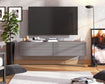
Floating tv units are wall-mounted media cabinets that do not sit on the floor. Instead, they are securely fixed to a solid wall using specialist brackets or mounting systems. This creates the appearance that the unit is suspended or “floating” beneath the television.
Traditional tv stands typically rest directly on the floor, often with legs or a solid base. While they can be sturdy and familiar, they tend to occupy more visual and physical space. Floating tv units, by contrast, prioritise clean lines and minimalism, aligning closely with contemporary interior design trends.
The functional difference is just as important as the visual one. By freeing up floor space, floating tv units make rooms easier to clean, improve airflow, and help small spaces feel less cramped. They also allow for greater flexibility in layout, as the unit height can be tailored to your viewing position rather than dictated by leg height or base dimensions.
In practical terms, floating tv units usually include internal shelving, cupboards, or drawers designed to house media devices, remote controls, cables, and accessories. Some designs focus on open shelving for easy access, while others use closed storage to maintain a tidy, uncluttered look.
Why floating tv units work especially well in UK homes
UK homes come with their own unique set of challenges and opportunities. Many properties feature smaller living rooms compared to international standards, particularly in urban areas. Older homes may have fireplaces, alcoves, or chimney breasts that influence furniture placement, while newer builds often favour open-plan layouts that benefit from visually lightweight furniture.
Floating tv units address these realities in several ways.
Firstly, they help maximise limited space. By keeping the floor clear, the room feels larger and more breathable. This is particularly beneficial in flats, terraces, and maisonettes where every square metre counts.
Secondly, they suit the UK preference for multifunctional living spaces. A floating tv unit can act as storage, a visual anchor for the room, and even a subtle room divider in open-plan layouts without dominating the space.
Thirdly, they work well with modern wall-mounted televisions, which have become standard in UK households. Pairing a wall-mounted screen with a floating tv unit creates a cohesive, streamlined setup that feels intentional rather than improvised.
Finally, floating tv units align with current UK interior trends that favour simplicity, natural finishes, and understated elegance. Whether your home leans towards contemporary, Scandinavian-inspired, or transitional styles, there is a floating design that fits seamlessly.
Key benefits of floating tv units beyond aesthetics
While the visual appeal of floating tv units is undeniable, their advantages go well beyond looks. Understanding these practical benefits can help justify the investment and ensure you choose a design that truly enhances your home.
One of the most significant benefits is ease of cleaning. With no legs or base touching the floor, vacuuming and mopping underneath the unit becomes effortless. This is especially helpful in households with pets, children, or allergies, where dust accumulation can be a concern.
Another advantage is improved organisation. Many floating tv units are designed with thoughtful internal layouts that make cable management easier. Concealed compartments and rear access holes help keep wires out of sight, reducing visual clutter and creating a calmer environment.
Floating tv units also offer ergonomic benefits. Because they are mounted at a custom height, they can be aligned perfectly with your seating position, reducing neck strain and improving viewing comfort. This is particularly useful in households where the living room layout is fixed or unconventional.
From a durability standpoint, a well-installed floating tv unit can be extremely stable and long-lasting. When fixed correctly to a suitable wall, it can safely support the weight of modern media equipment while maintaining its sleek appearance over time.
Choosing the right floating tv unit for your space
Selecting the ideal floating tv unit requires careful consideration of your room, lifestyle, and preferences. While aesthetics are important, practical factors should guide your decision-making process.
Start by measuring your wall space accurately. Consider not only the width of the unit but also its depth and height. A unit that is too deep can overwhelm a small room, while one that is too shallow may not accommodate your equipment comfortably.
Next, think about storage needs. If you rely on multiple devices such as gaming consoles, streaming boxes, or sound systems, ensure the unit has adequate internal space and ventilation. If you prefer a minimalist setup with fewer visible items, opt for a design with closed cupboards or push-to-open drawers.
Material choice is another crucial factor. Floating tv units are available in a wide range of finishes, from natural wood tones to high-gloss surfaces. In UK homes, warmer finishes often complement traditional architecture, while sleek, matte surfaces suit modern interiors. Consider how the unit will interact with your existing flooring, walls, and furniture.
Finally, think about long-term flexibility. A timeless design is more likely to adapt to future changes in décor, technology, or room layout. Neutral colours and simple forms tend to age better than overly decorative or trend-driven designs.
Understanding wall types and installation considerations in the UK
Installation is one of the most important aspects of owning floating tv units, particularly in the UK where wall construction can vary significantly between properties.
Solid masonry walls, such as brick or concrete, are generally ideal for mounting floating units. They provide excellent load-bearing capacity and long-term stability when appropriate fixings are used.
Plasterboard walls require more careful assessment. In many UK homes, plasterboard is mounted on timber studs or metal frames. Floating tv units can still be installed on these walls, but they must be fixed directly into the studs or reinforced with additional support. This ensures the weight of the unit and its contents is distributed safely.
Before installation, it is essential to consider the combined weight of the unit, the television, and all stored items. This will influence the choice of fixings and mounting hardware. Professional installation is often recommended, particularly for larger or heavier units, to ensure safety and compliance with best practices.
Cable routing is another key consideration. Many homeowners choose to conceal cables within the wall for a seamless look. In the UK, this should be done in accordance with electrical safety guidelines, using appropriate trunking or conduits where necessary.
Height placement and viewing comfort
Determining the correct height for floating tv units is both an art and a science. While personal preference plays a role, there are general guidelines that help ensure comfortable viewing.
The centre of the television screen should ideally be at or slightly below eye level when seated. This reduces strain on the neck and eyes during extended viewing sessions. The floating tv unit should be positioned accordingly, leaving enough clearance beneath the screen for ventilation and visual balance.
In family homes, it may be worth considering slightly higher placement to keep devices out of reach of young children. However, this should be balanced against viewing comfort for adults.
If your living room includes a fireplace or architectural features, the height of the floating tv unit may need to accommodate these elements. In such cases, careful planning can help integrate the unit harmoniously without compromising usability.
Styling floating tv units for a cohesive living room
One of the strengths of floating tv units is their ability to anchor a living room visually without overwhelming it. Thoughtful styling can enhance this effect and create a cohesive, inviting space.
Start by considering the area above the unit. A wall-mounted television is the most common choice, but additional elements such as shelving, artwork, or subtle lighting can add depth and interest. The key is to avoid overcrowding, which can undermine the clean look that floating units are known for.
On the unit itself, less is often more. A small selection of decorative items such as books, plants, or sculptural objects can add personality without creating clutter. Choose items that complement the colour and material of the unit for a harmonious effect.
Lighting plays a significant role as well. Integrated LED lighting beneath or within floating tv units can create a soft ambient glow, enhancing the floating effect and adding warmth to the room. This is particularly effective in UK homes during darker months when layered lighting is essential.
Common mistakes to avoid when buying floating tv units
Despite their popularity, floating tv units are sometimes chosen or installed incorrectly, leading to frustration or dissatisfaction. Being aware of common pitfalls can help you avoid costly mistakes.
One frequent error is underestimating storage needs. A unit that looks perfect but cannot accommodate your devices or accessories will quickly become impractical. Always assess what you need to store now and what you may need in the future.
Another mistake is ignoring wall suitability. Not all walls are appropriate for all units, and failing to assess this properly can result in instability or damage. Always confirm that your wall type can support the chosen design.
Proportion is another critical factor. A unit that is too small for the wall or television can look lost, while an oversized unit can dominate the room. Striking the right balance is essential for visual harmony.
Finally, poor cable management can undermine even the most beautiful floating tv unit. Ensure that the design includes adequate solutions for hiding or organising cables to maintain a clean, polished appearance.
Maintenance and long-term care of floating tv units
Keeping floating tv units looking their best over time requires minimal but consistent care. Regular dusting with a soft cloth helps prevent buildup, particularly on horizontal surfaces and around ventilation areas.
For wood or wood-effect finishes, avoid excessive moisture and use gentle cleaning products to preserve the surface. High-gloss or matte finishes may require specific care instructions to prevent streaking or scratching.
It is also wise to periodically check the mounting hardware, especially in the first year after installation. Ensuring that fixings remain secure provides peace of mind and helps maintain the unit’s alignment.
Avoid overloading the unit beyond its recommended capacity. While floating tv units are designed to be strong, excessive weight can place unnecessary strain on fixings and walls over time.
Floating tv units and future-proof living spaces
As technology continues to evolve, so too do the demands placed on living room furniture. Floating tv units are well-positioned to adapt to these changes, making them a future-proof choice for many UK homes.
Their modular nature often allows for updates or reconfiguration without replacing the entire setup. As devices become smaller and wireless solutions more common, floating units can easily accommodate new layouts with minimal visual disruption.
From a design perspective, the emphasis on simplicity and clean lines ensures that floating tv units remain relevant even as trends shift. A well-chosen unit can serve your home for many years, adapting gracefully to changes in décor and lifestyle.
Conclusion: making the right choice with confidence
Floating tv units represent a thoughtful blend of form and function, perfectly suited to the realities of modern UK living. They offer practical benefits such as space efficiency, improved organisation, and ease of cleaning, while also delivering a sleek, contemporary aesthetic.
By understanding how floating tv units work, what to look for when choosing one, and how to install and style it correctly, you can make a confident decision that enhances both the look and usability of your living space.
Whether you are furnishing a compact flat or refining a spacious family room, floating tv units provide a versatile, elegant solution that aligns with modern lifestyles and evolving home design preferences. With careful planning and informed choices, they can become a long-lasting centrepiece of your home, supporting everyday living while elevating the overall feel of your space.