- No products in the cart.




THE ELEVATED WALL: WHY FLOATING TV UNITS ARE REDEFINING MODERN LIVING SPACES

06
Apr
Floating TV units have become one of the most searched-for furniture styles in modern British homes — and for good reason. If you are looking for a way to make your living room feel cleaner, more spacious, more premium, and more practical, few furniture choices have the same impact.
From sleek city flats to family homes, floating tv units are now seen as one of the smartest ways to combine style, storage, and space-saving design in one feature. They create a contemporary, built-in look without requiring a full renovation, and they can completely transform how a room feels.
But choosing the right floating TV furniture is not as simple as picking something that “looks nice”. There are practical decisions to make around size, storage, wall compatibility, cable management, layout, finish, and overall room balance. If you want your setup to look polished rather than awkward, the details matter.
This guide explores everything you need to know about floating tv units in a practical, UK-focused way — whether you are furnishing a new home, upgrading your lounge, or trying to create a cleaner and more stylish media wall effect without overspending.
What Are Floating TV Units?
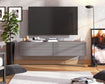
Floating tv units are wall-mounted television cabinets or media consoles that are fixed to the wall rather than standing on the floor. They usually sit beneath a wall-mounted TV and provide storage for media accessories, remotes, gaming consoles, streaming devices, cables, and living room essentials.
Unlike traditional TV stands, floating TV units create open floor space underneath, which gives the room a lighter, more open appearance. This is one of the main reasons they have become so popular in contemporary interior design.
A well-chosen floating TV unit can serve several purposes at once:
- It supports a cleaner TV wall layout
- It provides hidden storage
- It improves cable organisation
- It creates a more premium, modern look
- It helps smaller UK living rooms feel less cluttered
Because of this, floating tv units are often chosen not just for function, but for the overall visual effect they create.
Why Floating TV Units Are So Popular in UK Homes
There is a reason the search demand for floating tv units continues to grow. They solve several common problems that many UK households face.
1. They save visual space
Many UK living rooms are not particularly large. Whether you live in a terrace, semi-detached house, apartment, or new-build home, floor space is often limited. Traditional bulky TV stands can make a room feel crowded. Floating TV units help reduce that heaviness.
Because they are mounted to the wall, they create the illusion of more floor area and help the room feel less boxed in.
2. They create a more modern aesthetic
One of the biggest appeals of floating tv units is their clean, streamlined look. They naturally fit into modern, minimalist, Scandinavian, Japandi, industrial, and luxury-inspired interiors.
Even in more traditional homes, a floating TV unit can modernise the room without making it feel cold or too sharp.
3. They make cleaning easier
This is one of the most underrated benefits. Because the unit is raised off the floor, you can clean underneath it far more easily. No more dragging heavy furniture away from the wall or trying to vacuum around awkward legs and corners.
4. They improve cable management
Floating TV units often work best with wall-mounted televisions, which means you can create a neater overall media setup. With the right design, wires, plugs, consoles, and accessories can all be hidden much more effectively than with many older TV cabinets.
5. They work beautifully in both small and large rooms
One of the strongest features of floating tv units is their versatility. In small rooms, they create openness. In large rooms, they can become a striking focal point and form part of a larger media wall arrangement.
The Main Benefits of Floating TV Units
If you are comparing furniture options, it helps to understand why so many homeowners now actively prefer floating TV units over standard floor-standing alternatives.
Floating TV Units Make a Room Look Bigger
This is one of the biggest visual wins. Furniture that allows you to see more of the floor creates a feeling of openness. It is a classic interior design principle, and it works particularly well in lounges, snug rooms, and compact open-plan spaces.
Because floating tv units do not interrupt the floor line, they can make the room feel:
- Wider
- Cleaner
- More breathable
- Better organised
- More architecturally refined
This is especially useful if your room already contains a sofa, coffee table, side tables, storage baskets, or children's items.
Floating TV Units Create a Premium “Built-In” Feel
One of the reasons floating tv units look so high-end is that they can resemble custom joinery when styled correctly. Even a relatively simple wall-mounted TV unit can create a much more considered and expensive-looking result than a standard TV stand.
This is why they are often chosen for:
- Modern living room upgrades
- Media wall styling
- Minimalist interiors
- High-end apartment aesthetics
- Clean-lined family rooms
A floating TV unit can make the entire television area feel intentional rather than improvised.
Floating TV Units Help Reduce Clutter
Storage matters. A stylish living room can quickly lose its appeal when the TV area is surrounded by:
- Routers
- Remotes
- Charging cables
- Streaming boxes
- Gaming accessories
- Controllers
- DVDs or miscellaneous electronics
The best floating tv units are not just attractive — they are practical storage solutions. Drawers, lift-up compartments, and concealed shelving can make a huge difference to the everyday feel of the room.
How to Choose the Right Floating TV Unit
Not all floating tv units are equal. Some are chosen purely for appearance, but the best results happen when design and practicality are balanced.
Here is what to consider before buying.
1. Measure Your Wall and TV Properly
This is where many people go wrong. A floating TV unit should feel proportionate to the television and the wall behind it.
As a general guide:
- The unit should usually be wider than the TV
- It should not look too short or too narrow beneath the screen
- It should suit the width of the wall rather than only the TV size
For example, a very wide wall with a tiny unit underneath can look disconnected, while an oversized unit in a narrow room can feel overpowering.
Think in terms of balance, not just fitting.
2. Think About Storage Needs
Ask yourself what the unit actually needs to hold. Some people only need space for a remote and a streaming device. Others need room for:
- Sky or TV boxes
- Gaming consoles
- Soundbars
- Chargers
- Spare cables
- Family living room essentials
If you need real functionality, choose floating tv units with enough hidden storage rather than something purely decorative.
3. Consider Wall Type
This is very important. Floating TV units need to be mounted securely to a suitable wall.
In UK homes, wall types can vary significantly, including:
- Solid brick walls
- Block walls
- Stud walls
- Plasterboard walls
Some floating TV units may be better suited to solid walls, while others can be installed on stud walls with the correct fixings and support. It is always worth checking the weight capacity and installation suitability before purchasing.
This is not just about safety — it is also about long-term stability and avoiding sagging or poor alignment.
4. Decide on the Right Finish
The finish of your floating TV unit has a major effect on the feel of the room.
Popular options include:
White floating TV units
Ideal for bright, clean, modern interiors. White units can help a room feel lighter and often work well in smaller spaces.
Black floating TV units
Bold, sleek, and contemporary. Black floating TV units can create a more dramatic, premium look, especially against lighter walls.
Oak or wood-effect floating TV units
Excellent for adding warmth and texture. These are often a great choice if you want your room to feel modern but still welcoming.
Grey floating TV units
A highly versatile option that works well in many UK homes, especially neutral interiors.
Gloss floating TV units
Best for more contemporary spaces where you want a sharper, polished finish.
Matte floating TV units
A softer, more understated option that often feels more premium and timeless.
Best Room Styles for Floating TV Units
One reason floating tv units are so versatile is that they work across many different interiors.
Floating TV Units in Modern Living Rooms
This is the most natural setting. Clean lines, neutral colours, wall-mounted TVs, and uncluttered styling all pair perfectly with a floating TV unit.
For this look, consider:
- Straight-edged designs
- Handleless drawers
- Minimal visible hardware
- Neutral finishes
- Symmetry around the TV wall
Floating TV Units in Small Living Rooms
In smaller rooms, floating TV units can be a game-changer. They prevent the TV area from becoming bulky and help maintain visual breathing space.
To make the most of a small room:
- Choose a slim-profile unit
- Avoid overly dark or bulky finishes if the room lacks natural light
- Keep the styling minimal
- Use concealed storage to reduce visible clutter
Floating TV Units in Open-Plan Homes
Open-plan spaces benefit from furniture that looks cohesive and architectural. Floating tv units help anchor the TV zone without making it feel too separate or heavy.
This is especially useful in lounge-diner spaces or living rooms that open into kitchens.
Floating TV Units for Media Wall Styling
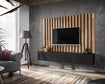
If you want a clean media wall look without a full custom installation, floating tv units are often the easiest place to start.
They work beautifully when paired with:
- Wall-mounted TVs
- Slatted wall panels
- LED backlighting
- Decorative shelves
- Built-in effect styling
- Minimal accessories
This can create a high-end focal point while still being practical for daily use.
What Size Floating TV Unit Should You Choose?
Sizing matters more than many people expect.
A Floating TV Unit Should Usually Be Wider Than the TV
A TV that visually overhangs the unit too much can look awkward. In most cases, floating tv units look best when they extend beyond the TV on both sides.
This creates a more balanced, grounded look and helps the TV wall feel designed rather than pieced together.
Consider the Room Scale, Not Just the Television
A unit might technically fit your TV but still feel wrong in the room. You also need to think about:
- Sofa width
- Wall width
- Ceiling height
- Room proportions
- Other nearby furniture
A floating TV unit should feel integrated into the wider layout.
Don’t Mount It Too High
One of the most common mistakes with floating tv units is mounting them too high. The goal is to create a clean, elevated look — not to make the room feel disconnected or awkward.
You usually want enough space underneath for visual lift and easy cleaning, but not so much that the unit feels detached from the TV zone.
The final height should feel practical, balanced, and comfortable to live with.
Floating TV Units and Cable Management
A beautiful setup can be ruined by visible wires. One of the biggest reasons people search for floating tv units is to create a cleaner entertainment area.
The Best Floating TV Units Help Hide Wires
Look for designs that make it easier to manage:
- TV cables
- Power leads
- HDMI cables
- Gaming console wires
- Router cables
- Soundbar connections
A cleaner cable setup instantly makes the whole room feel more polished.
Plan Your TV Wall as One Complete Setup
Do not think about the TV and the unit separately. The best results happen when you plan them together.
Ask yourself:
- Will the TV be wall-mounted?
- Will a soundbar be included?
- Where will the sockets be?
- Where will consoles or streaming devices go?
- Will you want lighting or decorative styling?
Thinking ahead prevents awkward compromises later.
Are Floating TV Units Practical for Family Homes?
Yes — and often more than people expect.
While they are often associated with sleek design, floating tv units can also work very well in everyday family living spaces.
Why Floating TV Units Work Well for Families
They can help by:
- Reducing floor clutter
- Making it easier to clean
- Keeping cables out of reach more effectively
- Creating a tidier central living space
- Offering enclosed storage for everyday mess
For households with children, floating TV units can also help create a more controlled and organised TV area when combined with sensible cable management and secure installation.
Styling Tips for Floating TV Units
Once installed, styling makes a huge difference. The goal is not to overcrowd the unit but to create a polished, balanced look.
Keep Styling Minimal and Intentional
Good styling options include:
- A small stack of books
- A candle or diffuser
- A low vase
- A sculptural object
- A trailing plant
- A framed print leaning nearby
- Soft ambient lighting
Avoid filling every inch. Floating tv units look best when they still have visual breathing room.
Match the Tone of the Room
Your TV wall should feel like part of the overall interior, not a separate zone.
If your room is warm and soft, go for styling that reflects that. If your room is modern and monochrome, keep the accessories clean and restrained.
The best floating TV unit setups feel cohesive rather than overly staged.
Common Mistakes to Avoid When Buying Floating TV Units
If you want a result that looks great and works well long-term, avoid these common errors.
Choosing Style Over Function
A unit might look fantastic online, but if it does not store what you need, it can quickly become frustrating in daily life.
Buying the Wrong Size
Too small and it looks underwhelming. Too large and it can dominate the wall. Always think in proportion.
Ignoring Wall Suitability
Not every wall is the same. Always consider mounting practicality before buying.
Forgetting Cable Planning
Visible wires can undo the whole clean aesthetic you are trying to achieve.
Overstyling the Unit
Too many decorative items can make even beautiful floating tv units look messy and cluttered.
Why Floating TV Units Are More Than a Trend
It is easy to assume that floating tv units are just a passing interior trend, but their popularity is based on something more lasting: they solve real design and lifestyle problems.
They combine:
- Better space use
- Cleaner aesthetics
- Modern styling
- Hidden storage
- Easier cleaning
- Strong visual impact
That is why they continue to appeal across so many different home types and room styles.
In many ways, floating TV units are not just “fashionable” furniture — they are part of a wider shift towards homes that feel calmer, smarter, and less cluttered.
Are Floating TV Units Worth It?
For many households, absolutely.
If you want your living room to feel more polished, more spacious, and more thoughtfully designed, floating tv units are one of the most effective furniture upgrades you can make.
They are especially worth considering if you want to:
- Modernise your TV area
- Improve living room storage
- Create a more open feel
- Reduce visual clutter
- Achieve a cleaner wall-mounted TV setup
The key is choosing a design that works for your actual room, storage needs, and lifestyle — not just one that photographs well.
When chosen properly, floating TV units can make your entire living space feel more refined and easier to enjoy every day.
Final Thoughts on Floating TV Units
A well-designed TV area has a surprisingly powerful effect on the whole room. Because the television wall is often one of the main focal points in a lounge, the furniture you place there has a big influence on how the space feels.
Floating tv units have become such a strong choice because they do something very few furniture pieces manage to do well: they combine practicality with immediate visual improvement.
They help create cleaner lines, better organisation, and a more elevated overall atmosphere. Whether your goal is a modern media wall, a clutter-free family lounge, or simply a better-looking place to relax at the end of the day, floating tv units are one of the most effective solutions available.
If you want a living room that feels lighter, neater, and more contemporary without sacrificing useful storage, they are well worth serious consideration.
FAQ SECTION
What are floating tv units?
Floating tv units are wall-mounted TV cabinets or media units designed to sit off the floor. They provide storage while creating a cleaner, more modern look than traditional TV stands.
Are floating tv units good for small living rooms?
Yes, floating tv units are often ideal for small living rooms because they create more visible floor space and help the room feel less cluttered and more open.
Can floating tv units hold a heavy TV?
Floating tv units are usually designed to hold media accessories and storage items rather than the TV itself, unless specifically stated. In most setups, the television is wall-mounted separately above the unit.
Are floating tv units easy to clean under?
Yes, one of the biggest benefits of floating tv units is that they make cleaning underneath much easier compared to floor-standing furniture.
Do floating tv units have storage?
Most floating tv units include some form of storage, such as drawers, cupboards, or shelving. The amount of storage varies depending on the design.
Are floating tv units suitable for UK homes?
Yes, floating tv units are very popular in UK homes because they work especially well in smaller lounges, modern homes, flats, and open-plan spaces.
Can floating tv units hide cables?
Many floating tv units are excellent for improving cable management, especially when paired with a wall-mounted television and a well-planned media setup.
What colour floating TV unit is best?
That depends on your room style. White floating TV units can make a room feel lighter, black can feel more dramatic and modern, and wood-effect finishes can add warmth and texture.
How high should floating tv units be mounted?
Floating tv units should usually be mounted at a height that feels visually balanced and practical. Too high can look awkward, while too low may reduce the floating effect.
Are floating tv units still in style?
Yes, floating tv units remain highly popular because they combine timeless practicality with a clean, contemporary look that suits many different interiors.