- No products in the cart.




FLOATING TV UNITS: THE COMPLETE UK HOMEOWNER’S GUIDE TO ELEVATING STYLE, SPACE, AND FUNCTION

16
Apr
Floating TV units have rapidly become one of the most sought-after features in modern UK homes, blending minimalist design with practical storage and space-saving benefits. Whether you are renovating a living room, upgrading your media setup, or simply aiming to create a cleaner, more contemporary aesthetic, floating TV units offer a powerful combination of form and function.
This comprehensive guide explores everything you need to know about floating TV units — from design inspiration and installation considerations to storage solutions, sizing, and styling tips — all tailored specifically for UK homeowners.
WHAT ARE FLOATING TV UNITS AND WHY ARE THEY SO POPULAR?
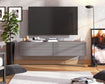
Floating TV units are wall-mounted furniture pieces designed to hold your television and associated media equipment without touching the floor. Unlike traditional TV stands, they create a visually “floating” effect that enhances space, light, and modernity.
Their popularity in the UK has surged for several key reasons:
They maximise floor space, making rooms feel larger and less cluttered
They create a sleek, high-end aesthetic often seen in contemporary interiors
They offer flexible placement, allowing you to customise height and layout
They integrate seamlessly with modern wall-mounted TVs
As homes become more design-conscious and space-efficient, floating TV units are increasingly viewed as both a functional necessity and a design statement.
BENEFITS OF FLOATING TV UNITS IN UK HOMES
Space optimisation for smaller living rooms
Many UK homes, particularly in urban areas, have limited living space. Floating TV units help free up valuable floor area, making rooms feel more open and less cramped.
Cleaner, more modern aesthetic
Floating furniture naturally creates a streamlined look. By lifting the unit off the ground, you eliminate visual clutter and achieve a more polished, minimalist appearance.
Improved cable management
Most floating TV units are designed with built-in cable management systems, helping you conceal wires and maintain a tidy setup.
Customisable installation height
Unlike traditional units, floating TV units can be installed at your ideal viewing height, improving comfort and ergonomics.
Easier cleaning and maintenance
With no legs or base touching the floor, cleaning underneath becomes effortless — a practical advantage for busy households.
TYPES OF FLOATING TV UNITS
Wall-mounted cabinet units
These are enclosed units with doors or drawers, offering concealed storage for media devices, remotes, and accessories.
Open shelf floating units
Ideal for showcasing devices or decorative items, these units provide easy access while maintaining a light and airy feel.
Modular floating systems
These allow you to customise your setup with multiple components, such as shelves, cabinets, and display units, creating a bespoke media wall.
Compact floating TV units
Perfect for smaller spaces or bedrooms, these units focus on minimal storage while maintaining a clean design.
Large floating media walls
For those seeking a statement feature, larger floating TV units can span entire walls, incorporating storage, lighting, and design elements.
HOW TO CHOOSE THE RIGHT FLOATING TV UNIT
Consider your room size
For smaller UK living rooms, opt for compact or slimline floating TV units to avoid overwhelming the space. Larger rooms can accommodate wider units or full media walls.
Match your interior style
Floating TV units are available in a wide range of finishes, including wood-effect, high-gloss, matte, and textured surfaces. Choose one that complements your existing décor.
Think about storage needs
If you have multiple devices such as gaming consoles, sound systems, or streaming boxes, prioritise units with sufficient storage and ventilation.
Check wall compatibility
Solid walls are ideal for supporting floating TV units. If you have plasterboard walls, you may need specialised fixings or professional installation.
Select the right width
Your floating TV unit should generally be wider than your television to create a balanced look and provide adequate support.
FLOATING TV UNITS FOR DIFFERENT UK HOME STYLES
Modern apartments
Opt for sleek, handleless designs with high-gloss or matte finishes. Neutral tones such as white, grey, or black work well in contemporary spaces.
Traditional homes
Wood-effect floating TV units add warmth while maintaining a modern twist. Choose natural finishes that complement classic interiors.
Scandinavian-inspired spaces
Light wood tones, clean lines, and minimal detailing create a calm, airy atmosphere typical of Scandinavian design.
Industrial interiors
Darker finishes, metal accents, and textured surfaces pair well with exposed brick and industrial-style décor.
Family homes
Durable materials and practical storage are key. Soft-close drawers and hidden compartments help keep everything organised and safe.
INSTALLATION GUIDE FOR FLOATING TV UNITS
Planning your layout
Before installation, determine the ideal height for your TV and unit. The centre of the screen should typically align with eye level when seated.
Locating wall studs or supports
For secure installation, fix the unit into wall studs or solid masonry. This ensures it can safely support the weight.
Cable management preparation
Plan how cables will run behind the wall or within the unit. This step is essential for achieving a clean, professional finish.
Using appropriate fixings
Always use fixings suitable for your wall type. This is particularly important in UK homes where wall construction can vary.
Professional installation vs DIY
While some floating TV units are suitable for DIY installation, larger or heavier units may require professional assistance for safety and precision.
STYLING YOUR FLOATING TV UNIT
Keep it minimal
Avoid overcrowding the unit. A few carefully chosen decorative items can enhance the look without creating clutter.
Incorporate lighting
LED strip lighting beneath or behind the unit can create a striking ambient effect, especially in the evening.
Balance symmetry and asymmetry
Position decorative items in a balanced way, but avoid making the arrangement feel too rigid or staged.
Use contrasting textures
Mix materials such as wood, metal, and glass to add depth and visual interest.
Add personal touches
Incorporate items such as books, plants, or framed photos to make the space feel lived-in and personalised.
FLOATING TV UNITS AND STORAGE SOLUTIONS
Hidden storage compartments
Ideal for keeping cables, remotes, and accessories out of sight.
Drawer systems
Perfect for organising smaller items and maintaining a tidy appearance.
Open shelving
Provides easy access to devices while allowing for decorative styling.
Integrated media storage
Designed specifically to accommodate consoles, soundbars, and other equipment.
For UK households where space is often limited, choosing a floating TV unit with smart storage solutions can significantly improve organisation and usability.
COMMON MISTAKES TO AVOID
Installing too high or too low
Incorrect placement can affect viewing comfort and overall aesthetics.
Ignoring wall strength
Failing to consider wall type can lead to safety issues.
Overloading the unit
Exceeding weight limits can compromise stability.
Poor cable management
Visible wires can ruin the clean look floating TV units are known for.
Choosing the wrong size
A unit that is too small or too large can disrupt the balance of the room.
FLOATING TV UNITS FOR SMALL SPACES
In compact UK homes, every inch matters. Floating TV units are particularly effective in small spaces because they:
Create the illusion of more space
Allow for additional furniture placement
Reduce visual clutter
Provide functional storage without bulk
Opt for slim designs, light colours, and integrated storage to maximise the benefits in smaller rooms.
FLOATING TV UNITS AS A DESIGN FEATURE
Floating TV units are no longer just functional pieces — they are central design elements in modern living rooms.
Feature walls
Pair your unit with textured panels, paint accents, or wall cladding to create a focal point.
Media walls
Combine your floating TV unit with shelving and lighting to create a complete media wall.
Minimalist design statements
In minimalist interiors, a floating TV unit can act as the primary visual anchor.
By treating your floating TV unit as part of a broader design concept, you can elevate the entire room.
MAINTENANCE AND CARE
Regular dusting
Keep surfaces clean to maintain their appearance.
Check fixings periodically
Ensure the unit remains securely attached to the wall.
Avoid excessive weight
Stick to recommended load limits to prevent damage.
Use appropriate cleaning products
Choose products suitable for the unit’s material to avoid wear or discolouration.
With proper care, floating TV units can remain a stylish and functional feature for years.
THE FUTURE OF FLOATING TV UNITS IN UK HOMES
As interior design continues to evolve, floating TV units are expected to remain a staple in UK homes. Trends are moving towards:
Smarter integration with technology
More modular and customisable designs
Sustainable materials and finishes
Enhanced cable management solutions
Their versatility and adaptability make them a long-term investment for modern living.
CONCLUSION
Floating TV units represent the perfect balance between style and practicality for UK homeowners. By elevating your TV setup off the floor, they create a cleaner, more spacious environment while offering flexible storage and design possibilities.
Whether you are furnishing a compact flat or designing a high-end living space, floating TV units provide a versatile solution that enhances both aesthetics and functionality. With careful selection, thoughtful installation, and intentional styling, they can transform your living room into a refined and contemporary space.
FAQ SECTION
What size floating TV unit should I choose?
Your floating TV unit should ideally be wider than your television to create a balanced look and provide sufficient support.
Can floating TV units hold heavy TVs?
Yes, as long as they are properly installed and the wall structure is suitable, floating TV units can support heavy TVs.
Are floating TV units suitable for plasterboard walls?
They can be, but you will need specialised fixings or additional support to ensure safety.
How high should a floating TV unit be mounted?
Typically, the centre of the TV screen should be at eye level when seated, which will determine the unit’s position.
Do floating TV units come with cable management?
Most modern floating TV units include built-in cable management features to keep wires hidden.
Are floating TV units easy to install?
Some are suitable for DIY installation, but larger units may require professional fitting.
Can I use a floating TV unit in a small room?
Yes, they are ideal for small spaces as they maximise floor area and reduce visual clutter.