- No products in the cart.




FLOATING TV UNITS REIMAGINED: THE COMPLETE UK GUIDE TO STYLISH WALL-MOUNTED LIVING SPACES

11
Apr
Floating TV units have rapidly become one of the most sought-after furniture choices in modern UK homes, offering a seamless blend of style, functionality, and space optimisation. As living spaces evolve towards cleaner aesthetics and smarter layouts, the demand for floating TV units continues to rise, particularly among homeowners seeking a contemporary, clutter-free environment.
In this comprehensive guide, we will explore everything you need to know about floating TV units, from design benefits and installation considerations to styling tips, storage solutions, and buying advice tailored specifically to UK households. Whether you are redesigning your living room or upgrading your entertainment area, this article is designed to give you complete clarity and confidence.
UNDERSTANDING FLOATING TV UNITS AND WHY THEY ARE SO POPULAR
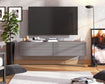
Floating TV units are wall-mounted furniture pieces designed to hold televisions, media devices, and accessories without touching the floor. Unlike traditional TV stands, these units create the illusion of space by leaving the floor beneath them open, which instantly enhances the visual size of a room.
The popularity of floating TV units in the UK has been driven by several factors. Firstly, the shift towards minimalist interior design has made clean lines and uncluttered layouts highly desirable. Secondly, smaller living spaces, especially in urban areas, require smarter use of available room. Finally, advances in wall-mounting technology have made installation more accessible and reliable than ever before.
THE KEY BENEFITS OF FLOATING TV UNITS IN UK HOMES
Maximising floor space is one of the most significant advantages of floating TV units. By lifting the unit off the ground, you create additional usable space, which is especially beneficial in flats, apartments, and compact living rooms.
Another major benefit is the improved visual appeal. Floating TV units contribute to a sleek, modern look that aligns with contemporary UK interior trends. They help eliminate bulky furniture and create a more refined atmosphere.
Cleaning and maintenance are also easier. With no legs or base touching the floor, vacuuming and mopping become far more straightforward, reducing dust accumulation and improving overall hygiene.
Cable management is another strong advantage. Many floating TV units are designed with integrated cable concealment systems, allowing you to hide wires and maintain a clean, organised appearance.
CHOOSING THE RIGHT FLOATING TV UNITS FOR YOUR SPACE
When selecting floating TV units, it is essential to consider the size of your television. The unit should be proportionate, typically wider than the TV, to create a balanced and aesthetically pleasing look.
Wall type is another crucial factor. In UK homes, walls may be solid brick, plasterboard, or stud walls. Each requires a different installation approach. Solid walls offer the most secure mounting, while plasterboard may require specialised fixings or reinforcement.
Storage needs should also guide your decision. Some floating TV units feature drawers, cabinets, or open shelving, while others focus on minimalism with a streamlined design. Consider whether you need space for gaming consoles, streaming devices, or decorative items.
Material choice plays a significant role in both durability and style. Popular materials include engineered wood, solid wood, and high-gloss finishes. Each offers a different aesthetic, from warm and traditional to ultra-modern.
FLOATING TV UNITS AND MODERN UK INTERIOR DESIGN TRENDS
Floating TV units align perfectly with current UK interior design trends, particularly those focused on simplicity, functionality, and visual openness.
Scandinavian-inspired interiors often incorporate light wood floating TV units paired with neutral tones and soft textures. This creates a calm and inviting living space.
Industrial-style interiors favour darker finishes, metal accents, and bold lines. Floating TV units in matte black or dark wood complement this aesthetic beautifully.
Contemporary minimalist spaces benefit from high-gloss or handleless floating TV units, which enhance the clean and uncluttered look.
In traditional UK homes, floating TV units can still be incorporated by choosing classic finishes and pairing them with period features to create a modern-meets-traditional balance.
HOW TO INSTALL FLOATING TV UNITS SAFELY AND EFFECTIVELY
Proper installation is essential to ensure the safety and longevity of floating TV units. Before installation, you must identify the wall type and choose appropriate fixings.
For solid walls, heavy-duty wall plugs and screws provide a secure hold. For stud walls, it is best to anchor the unit into the studs themselves rather than relying solely on plasterboard.
Accurate measurements are critical. The unit should be installed at a height that aligns with comfortable viewing angles, typically at eye level when seated.
It is also important to consider weight distribution. Ensure the wall and fixings can support both the unit and the items placed on it.
If you are unsure about installation, hiring a professional can provide peace of mind and ensure a flawless result.
STYLING YOUR FLOATING TV UNITS FOR MAXIMUM IMPACT
Styling floating TV units can transform your living room into a visually striking space. Start by keeping the top surface uncluttered. A few carefully chosen decorative items, such as vases or books, can add personality without overwhelming the design.
Wall décor above the unit can enhance the overall look. This might include artwork, mirrors, or even a feature wall with textured panels.
Lighting plays a crucial role. LED strip lighting beneath or behind floating TV units creates a soft ambient glow, adding depth and sophistication.
Balancing functionality and aesthetics is key. While it is important to maintain a clean look, ensure that frequently used items remain easily accessible.
FLOATING TV UNITS FOR SMALL UK LIVING ROOMS
In smaller UK homes, floating TV units can be particularly beneficial. Their space-saving design helps create the illusion of a larger room, making them ideal for flats and compact houses.
Opt for slim, streamlined designs that do not protrude too far from the wall. Light colours and reflective finishes can further enhance the sense of space.
Consider combining floating TV units with wall-mounted shelving to maximise storage without sacrificing floor space.
Corner installations can also be an effective solution in smaller rooms, making use of otherwise underutilised areas.
FLOATING TV UNITS AND SMART STORAGE SOLUTIONS
Modern floating TV units are designed with intelligent storage solutions that cater to today’s technology-driven lifestyles.
Hidden compartments allow you to store devices and accessories out of sight, maintaining a clean appearance. Soft-close drawers and push-to-open mechanisms enhance usability while preserving a minimalist look.
Open shelving can be used to display decorative items or keep frequently used devices within easy reach. However, it is important to maintain organisation to avoid visual clutter.
Cable management systems are a key feature, allowing you to route wires neatly and discreetly.
MATERIALS AND FINISHES: WHAT WORKS BEST IN THE UK
The UK climate and lifestyle can influence material choice for floating TV units. Durable materials that resist moisture and temperature fluctuations are ideal.
Engineered wood offers a cost-effective and versatile option, available in a wide range of finishes. Solid wood provides a premium feel and long-lasting durability.
High-gloss finishes are popular in modern interiors, reflecting light and enhancing brightness. Matte finishes, on the other hand, offer a more understated and sophisticated look.
Woodgrain textures add warmth and character, making them suitable for both contemporary and traditional settings.
COMMON MISTAKES TO AVOID WHEN BUYING FLOATING TV UNITS
One of the most common mistakes is choosing a unit that is too small or too large for the space. Proper proportions are essential for achieving a balanced look.
Ignoring wall type can lead to installation issues. Always assess your wall structure before purchasing.
Overloading the unit with heavy items can compromise safety. Be mindful of weight limits and distribute items evenly.
Neglecting cable management can result in a cluttered appearance, undermining the clean aesthetic that floating TV units are designed to provide.
FLOATING TV UNITS AND LONG-TERM VALUE
Investing in high-quality floating TV units can add long-term value to your home. Their timeless design ensures they remain relevant even as interior trends evolve.
They also contribute to a more organised and efficient living space, which can enhance daily comfort and functionality.
In addition, well-designed floating TV units can improve the overall appeal of your home, making it more attractive to potential buyers or tenants.
HOW FLOATING TV UNITS SUPPORT MODERN LIFESTYLES
Today’s lifestyles demand flexibility, efficiency, and style. Floating TV units meet these needs by offering adaptable storage solutions and a sleek design that complements modern technology.
They integrate seamlessly with wall-mounted televisions, streaming devices, and sound systems, creating a cohesive entertainment setup.
Their ability to reduce clutter and enhance organisation supports a more relaxed and enjoyable living environment.
FUTURE TRENDS IN FLOATING TV UNITS
As technology continues to evolve, floating TV units are likely to incorporate even more advanced features. Integrated lighting, smart storage solutions, and modular designs are becoming increasingly popular.
Customisation options are also expected to grow, allowing homeowners to tailor their units to specific needs and preferences.
Sustainability is another emerging trend, with more emphasis on eco-friendly materials and manufacturing processes.
CONCLUSION: WHY FLOATING TV UNITS ARE A SMART CHOICE FOR UK HOMES
Floating TV units represent a perfect balance of style, practicality, and innovation. They offer a modern solution to traditional furniture challenges, making them an ideal choice for UK homeowners looking to enhance their living spaces.
By understanding the key factors involved in selecting, installing, and styling floating TV units, you can create a space that is both functional and visually stunning.
Whether you are working with a compact flat or a spacious home, floating TV units provide a versatile and future-proof solution that aligns with contemporary living.
FAQ SECTION
What are floating TV units and how do they work
Floating TV units are wall-mounted furniture pieces designed to hold televisions and media equipment without touching the floor. They are securely fixed to the wall using appropriate brackets and fixings.
Are floating TV units suitable for all wall types in the UK
Yes, but installation methods vary. Solid walls provide the best support, while plasterboard walls may require specialised fixings or reinforcement.
How high should floating TV units be installed
They should typically be installed at a height that aligns with comfortable viewing, usually around eye level when seated.
Do floating TV units save space
Yes, they create the illusion of more space by freeing up floor area and reducing visual clutter.
Can floating TV units hold heavy items
Yes, as long as they are properly installed and the weight limits are not exceeded.
Are floating TV units easy to maintain
Yes, they are easier to clean than traditional units because there are no legs or bases obstructing the floor.
What style of floating TV units is best for modern homes
Minimalist designs with clean lines, neutral colours, and integrated storage are ideal for modern interiors.